
Protect Your Freedom When a
Parole Violation Threatens Your Future
![]()

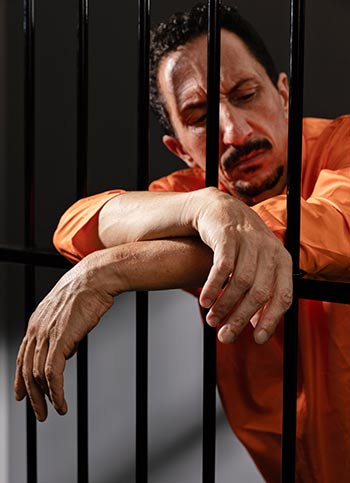
A parole violation can place a person back in custody and is a threat to their freedom. New York parole violations can involve new criminal conduct, or violations of supervision conditions. A parole violation is not necessarily a new criminal charge. New York law distinguishes between technical violations and non-technical violations.
The consequences may include continued supervision, treatment programs, or reincarceration. The outcome depends on the alleged conduct, prior violations, and circumstances surrounding the case.
Parole violations have consequences beyond the underlying allegation. A sustained violation affects your liberty, employment, housing, treatment, and future supervision. The defense will examine the alleged violation and the appropriate disposition. Even when dismissal is unavailable, effective advocacy can seek restoration, treatment, or a shorter time assessment.
A New York criminal defense lawyer can investigate the allegations, challenge evidence, protect procedural rights, and present mitigating circumstances. Early legal representation is particularly important when a parole warrant has resulted in detention.
To consult with an experienced New York criminal defense attorney about a parole violation, call 917-519-8417
Parole allows an incarcerated person to serve part of a sentence under community supervision. The person remains subject to the original sentence while on parole. Parolees must follow standard and special conditions of release. These conditions will often include reporting requirements, travel restrictions, drug prohibitions, and residence requirements.
A parole officer may issue a violation notice when there is probable cause to believe a condition was violated. A warrant may also result in arrest and detention. If a warrant is executed, the person can remain detained while the parole violation process proceeds. A preliminary hearing may determine whether sufficient evidence exists to continue the case. If the violation is not sustained, the warrant can be cancelled and the person restored to supervision.
Learn more about Parole, download the New York State Parole Handbook
A technical violation involves violating a supervision condition without committing a new felony or misdemeanor. Examples can include failing to report, violating travel restrictions, violating special conditions, or alcohol or drug use.
Technical violations have serious consequences. Current New York laws place significant restrictions on incarceration for many technical violations.
A non-technical violation generally involves committing a new felony or misdemeanor offense. Certain conduct involving sex-related supervision conditions can also constitute a non-technical violation. The underlying criminal offense remains separate from the parole violation proceeding. A person may therefore face both a criminal prosecution and a separate parole revocation proceeding.
A parole violation is not classified as a misdemeanor or felony. The misdemeanor or felony classification usually concerns new criminal conduct that underlies the violation.
New York uses behavior categories when determining appropriate parole revocation consequences. These categories are different from criminal offense classifications.
Category 1 generally involves the most serious conduct. Examples include firearm possession, physical injury, dangerous weapons, and certain violent felony conduct. Other qualifying conduct can involve certain sex offenses, robbery-related conduct, or violations involving orders of protection.
A Category 1 violation can result in a substantial time assessment. Current regulations generally provide for at least 12 months without an alternative program.
Category 2 primarily concerns absconding from community supervision. Absconding involves intentionally avoiding supervision and failing to maintain required contact or residence. A Category 2 violation can result in a three-to-15-month time assessment. Mitigating circumstances can affect the resulting penalty.
Category 3 involves criminal behavior outside Category 1 conduct. It can include certain driving, weapons, harassment, hazing, and appearance-ticket violations. The standard time assessment can range from three to 12 months. Alternative programs may provide another potential disposition.
Category 4 covers violations that do not fall within Categories 1, 2, or 3. The presiding officer can restore the person to supervision or order an alternative program. Some cases also fall outside the ordinary guidelines. These cases can include certain sex offense sentences, medical parole cases, and people with multiple prior revocations.
A parole violation case may involve both preliminary and final hearings. At the preliminary hearing, a hearing officer considers whether sufficient evidence supports continuing the violation case.
The law provides important procedural protections. The alleged violator can receive notice of the charges and present evidence through counsel.
At the final hearing, the presiding officer determines whether the violation has been established. Current regulations use a preponderance of evidence standard.
If the evidence does not establish a violation, the charges must be dismissed. The person’s delinquency is cancelled and supervision is restored.

A defense lawyer can challenge whether the alleged conduct actually occurred. Your attorney can present witnesses, documents, records, communications, and other evidence. A criminal defense lawyer can challenge the parole officer’s interpretation of the events. A technical mistake does not automatically establish a violation.
The defense can question the reliability of witnesses and documentary evidence. Contradictory statements, inaccurate reports, and unsupported allegations can weaken the violation case. Legal counsel can also challenge whether the evidence satisfies the applicable burden of proof. If the evidence is insufficient, the violation may be dismissed.
Procedural requirements provide another defense. A parole violation attorney can examine how the violation notice was issued and served. The timing and procedures surrounding preliminary and final hearings can also matter. Violations of required procedures may provide grounds to challenge the proceedings.
A new criminal arrest does not necessarily establish that the person committed the alleged offense. Your legal defense can contest whether the criminal conduct actually occurred.
New York law also places limits on certain parole violations based upon conduct already resolved by a criminal court.
A lawyer can examine the exact language of the release condition. The alleged conduct must violate an applicable condition in an important respect. Some restrictions also contain statutory exceptions.
Even when a violation is sustained, a defense attorney can seek a reduced consequence. Current regulations identify numerous mitigating factors.
These factors can include employment, stable housing, school attendance, medical needs, family responsibilities, and positive adjustment to supervision.
Voluntary surrender can also be important for an alleged absconder. Other factors include limited criminal history and the absence of previous sustained violations.
A lawyer can argue that continued community supervision is more appropriate than reincarceration. Treatment or alternative programs may address the underlying problem without requiring extended imprisonment. Current regulations permit alternative programs in appropriate cases. Successful completion can result in re-release to community supervision.
An alleged violation does not have to result in revocation. With proactive legal support, you can fight unfair allegations, present crucial mitigating factors, and work toward keeping your life and freedom on track. When your liberty is on the line, prompt legal intervention makes all the difference. Timely legal advocacy is your best defense against detention and re-incarceration. We can fight for the best possible outcome for your future.
Contact an experienced New York parole defense attorney now at 917-519-8417.
A parole violation occurs when a person allegedly violates a condition of release. The violation can involve technical conduct or new criminal conduct. A parole violation proceeding is separate from a new criminal prosecution.
Your parole officer can initiate violation proceedings when there is reason to believe you violated parole. A warrant may be issued, resulting in your arrest and detention. You should contact a lawyer immediately to determine how the allegations can be challenged.
New York uses different behavior categories when determining consequences for parole violations. These categories consider factors such as violent conduct, absconding, criminal behavior, and other violations. The category can significantly affect the potential time assessment.
Yes, reincarceration is possible after a parole violation is sustained. However, incarceration is not necessarily the outcome in every case. Depending on the circumstances, you may receive continued supervision or an alternative program.
A technical violation involves violating a condition of parole without committing a new crime. Examples can include failing to report, violating travel restrictions, or violating certain substance-related conditions. The consequences depend upon the specific violation and your history.
A non-technical violation involves conduct that constitutes a new crime or certain other serious prohibited conduct. New criminal allegations can significantly increase the potential consequences. Your lawyer should examine the underlying allegations separately from the parole proceeding.
An arrest does not automatically mean you committed a parole violation. The circumstances that surround the arrest and alleged conduct must be examined carefully. Your lawyer can challenge allegations that are unsupported or insufficiently proven.
You can contest allegations at a parole violation hearing. Your lawyer can challenge evidence, witnesses, reports, and interpretation of your parole conditions. The objective may be dismissal, restoration to supervision, or a reduced penalty.
A violation can be dismissed when the allegations are not sufficiently established. Your lawyer will challenge unreliable testimony, contradictory evidence, or inaccurate violation reports. Procedural problems can also provide grounds to challenge the case.
Witness testimony can be important in establishing or disputing alleged violations. Your lawyer can determine which witnesses have relevant information and how their testimony should be presented. Witness credibility can also become an important issue when accounts conflict.
A lawyer can examine the evidence supporting the alleged violation. Reports, records, statements, and other evidence may contain inconsistencies or factual problems. Challenging unreliable evidence can weaken the case against you.