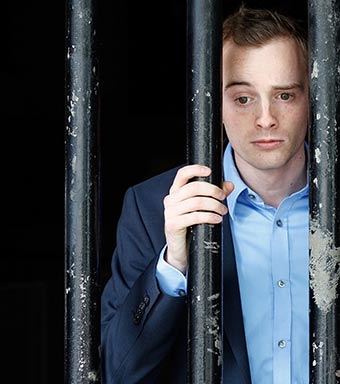
DWI Arrest?
Fight The Charge
Challenge The Evidence
Consult With A Lawyer

Call: 917-519-8417

Or Email Us:

space

DWI Arrest In New York

DWI arrest lawyer
DWI Arrest Lawyer

A DWI arrest in New York threatens your freedom, driver’s license, finances, and future career prospects. A conviction will lead to substantial fines, jail time, and a lengthy license revocation. However, an arrest does not prove guilt, and the prosecution must establish the required elements of the charge. A criminal defense attorney can review the police conduct, test results, and other evidence for legal or factual weaknesses. Learn what happens after a DWI arrest, what penalties you may face, and how legal counsel can protect your rights.

Speak With a DWI Attorney

A DWI arrest can feel overwhelming, but you do not have to face the case alone. NYC DWI attorney Michael S. Discioarro can review your circumstances, explain the charges, and discuss possible defense options. Early legal advice can help you understand court deadlines, license issues, and the evidence that may affect your case. Never let a single test result or police report define the prosecution’s case against you in court.

Call 917-519-8417 to request a consultation about your DWI arrest.

What Is a DWI?

Driving While Intoxicated, or DWI, is an offense under New York Vehicle and Traffic Law § 1192. A driver will face a DWI charge with a blood alcohol concentration (BAC) of .08% or higher. Police may also charge a driver whose conduct and other evidence suggest alcohol intoxication, even without a valid BAC result. New York also has separate offenses for aggravated DWI (DWAI), drug impairment, and impairment from alcohol combined with drugs. The exact charge depends on the facts, test results, and circumstances of the alleged offense.

DWI Penalties

The penalties for a DWI conviction depend on prior offenses, the charge level, and other case facts. A repeat DWI within ten years can lead to a felony charge, higher fines, and a longer period without a license. A judge may also impose jail or prison time, probation, and an ignition interlock device where the law requires it. The penalties below apply to standard DWI convictions for adults, not every aggravated or drug-related offense. Additional fees, assessments, and license requirements may also apply after a conviction.

First DWI Offense

A first DWI is generally a misdemeanor, with a fine from $500 to $1,000 and up to one year in jail. A conviction also requires a minimum six-month license revocation. The court may order probation or conditional discharge, along with an ignition interlock device for an additional fee. These penalties will affect work, family duties, insurance costs, and future employment opportunities. A first offense is serious, but the evidence and circumstances still deserve careful legal review.

Review the DMV DWI arrest PDF here

Second DWI Offense

A second DWI conviction within ten years is a Class E felony. Potential penalties include a fine from $1,000 to $5,000, up to four years in prison, and at least one year of license revocation. A prior offense within five years will also trigger a mandatory jail term or community service. The court will also impose additional conditions, such as probation and an ignition interlock device. A felony record will create lasting consequences for employment, professional licenses, and other opportunities.

Third DWI Offense

A third DWI conviction within ten years is a Class D felony, with more severe potential penalties. A conviction will include fines from $2,000 to $10,000 and up to seven years in prison. The minimum license revocation is at least one year, although specific circumstances may lead to longer suspensions. Prior convictions will also trigger mandatory jail time, probation, and other court-ordered conditions like alcohol counseling. Because repeat offenses carry substantial risks, a DWI defense attorney should review the case history and every item of evidence.

Should You Take a Breathalyzer Test?

A breath test may provide the prosection with evidence of your blood alcohol concentration, but the decision to refuse a chemical test carries separate consequences. Under New York’s implied consent law, refusal will lead to license revocation for at least one year and a $500 civil penalty. A repeat refusal within five years will result in a $750 civil penalty, and additional consequences. A refusal will be used as evidence in court as admission of guilt. Do not assume that refusal will prevent a DWI charge or protect your license. Ask a defense attorney about your rights and the specific circumstances before you make decisions whenever possible.

What Happens After a DWI Arrest?

After a DWI arrest, police will process you, issue charges, and require you to appear in court for an arraignment. Your license will face a separate suspension or revocation process with the DMV which will begin long before the criminal case ends. You should keep all paperwork, note important details about the stop, and meet every court deadline. Avoid public posts or statements about the incident, and do not discuss case details with investigators without legal representation. Contact a DWI criminal defense attorney promptly to review the charges, protect your rights, and plan the next steps.

A DWI Defense Attorney Can Challenge Evidence

A strong defense starts with a close review of the traffic stop, police observations, and reason for the arrest. Your attorney can examine whether the officer had a lawful basis to stop your vehicle or request field sobriety tests. Your legal counsel will also review breath test records, device maintenance, calibration, and the procedures used by police. Other issues may include medical conditions, test timing, witness accounts, and gaps in the prosecution’s evidence. If police violate your rights or mishandle key evidence your attorney can ask the court to exclude that evidence. The goal is to identify weaknesses, challenge unsupported claims, and pursue the best available outcome.

Protect Your Rights After a DWI Arrest

The decisions you make after a DWI arrest will affect your license, your record, and your future. The law offices of Michael S. Discioarro can dispute evidence, challenge weaknesses in the prosecution’s case, and pursue a favorable outcome when possible. Do not let an arrest define your future before the court reviews the facts. Take action to protect your rights and understand your legal options.

Call 917-519-8417 to discuss your DWI defense and schedule a consultation.

Frequently Asked Questions

What should I do after a DWI arrest in New York?

Remain calm, be courteous to police, keep all arrest paperwork, and note what happened before, during, and after the traffic stop. Contact a criminal defense attorney promptly to review the charges, protect your rights, and explain your next steps.

Yes, New York prosecutors may pursue a DWI or a DWAI charge without a breathalyzer result. Police observations, field sobriety tests, witness statements, and other evidence may support the prosecution’s case, particularly if medications were involved.

Refusing a chemical test after a lawful DWI arrest may lead to license revocation and a separate civil penalty under New York’s implied consent law. The consequences depend on the circumstances, so speak with a defense attorney about your rights and the potential risks.

Yes, your license will face suspension during the case, and a conviction for a standard first DWI generally carries a minimum six-month revocation. The exact consequences depend on the charge, the court proceedings, and any separate DMV action.

DWI generally involves alcohol intoxication or a blood alcohol concentration of .08% or higher under the applicable statute. DWAI-Alcohol generally involves impairment to a lesser degree, and its penalties differ from those for DWI.

Yes, a first DWI arrest can threaten your license, finances, employment, and criminal record. A defense attorney can assess the evidence, explain your options, and identify potential legal challenges.

Yes but the DWI case may depend on whether police can establish that you operated the vehicle while impaired under New York law. The vehicle’s location, your conduct, and other evidence will affect the case. If the key is in the ignition that indicates an intent to drive, even if you were just running the heater to stay warm.

Member Of:

As Seen On: